
How to Choose Digital Sports Equipment for a Commercial Entertainment Center?
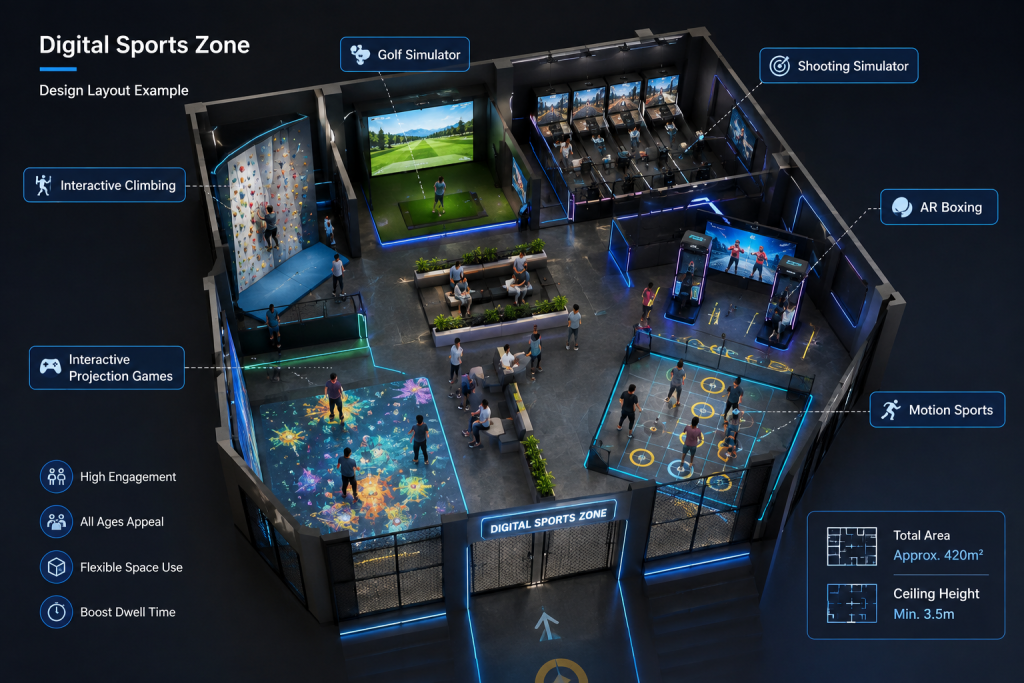
More commercial entertainment centers are choosing digital sports equipment to attract broader audiences, diversify game experiences, and create active participation zones. If you’re planning to add digital sports to your arcade or entertainment venue, factors like space allocation, customer demographics, and gameplay flow are critical. Let’s explore how to make successful choices.
Digital sports equipment should align with your venue size, customer needs, and existing arcade offerings. Evaluate participation style, operating goals, and available player space before purchasing.

Adding digital sports is not about simply buying the most popular machines; it’s about defining their role within your venue. Below, I’ll guide you through key considerations, suitable game types, and practical planning.
Why Are More Arcade Operators Adding Digital Sports Equipment?
Arcade operators are shifting priorities from traditional cabinet games toward options that blend interactive technology with physical engagement. Why? Because customers demand fresh and immersive experiences.
Digital sports equipment offers active experiences that appeal to diverse customer groups, from families and casual players to sports enthusiasts. These games create a competitive edge by encouraging physical participation, making them stand out in busy entertainment centers.
While traditional arcade games rely primarily on button-mashing or screen-based gameplay, digital sports equipment incorporates physical motion, projection, and tactile interaction. In addition to providing unique gameplay styles, they fit well with certain entertainment goals:
- Attracting new customer groups, such as adults and families with kids.
- Expanding dwell time by requiring more active participation.
- Creating themed areas within a venue, such as competitive sports zones.
To succeed, operators must carefully plan how and where this equipment fits their business model.
What Should You Consider Before Choosing Digital Sports Equipment?
Selecting the right equipment for a commercial entertainment center starts with understanding your venue’s specific needs. Without pre-planning, you risk overspending on machines that don’t meet gameplay or space requirements.
Before choosing digital sports equipment, analyze venue size, customer traffic patterns, ceiling height, existing arcade equipment mix, and the types of player engagement you want to support.
Key Venue Factors:
- Floor space: Can your venue accommodate larger machines like golf simulators or climbing attractions?
- Ceiling height: Taller equipment like climbing walls require vertical space.
- Customer traffic flow: Will adding interactive attractions disrupt existing foot traffic routes?
- Target customer groups: Are you prioritizing casual gameplay, competitive sports, or family-friendly options?
- Investment budget: Align game purchases with available funds and expected ROI.
- Existing arcade mix: Consider whether digital sports will complement or compete with current games.
- Participation style: Decide if you need short-session games for social play or long-session gameplay for advanced users.
By focusing on these factors, you ensure equipment selection supports your entertainment goals instead of forcing logistical compromises.
Which Digital Sports Games Fit Different Commercial Venues?
Not all digital sports equipment fits every venue size or customer profile. To make informed decisions, match your space and clientele with appropriate game types.
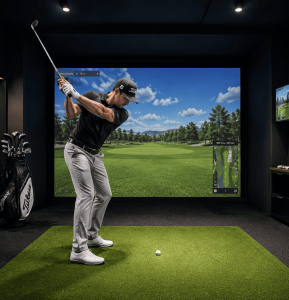
Golf Simulators
Golf simulators cater to adults, sports enthusiasts, and groups looking for an immersive activity. They generally require spacious floor areas, available swing clearance, and taller ceilings. Many users prefer these machines for long-session gameplay, making them ideal for areas with low player turnover.
Key Tips: Check venue dimensions for requirements like swing zones and dwell time impact. Use high-quality screens and software to create realistic golf experiences.
Shooting Simulators
Fast-paced shooting simulators appeal to customers who enjoy skill-based gameplay. These machines work well alongside competitive arcade attractions, such as driving simulators or boxing games. Position them in high-traffic areas for increased visibility.
Key Tips: Competitive players look for advanced scoring systems and engaging visuals. Ensure simulators are visible near complementary equipment.
Interactive Climbing Games
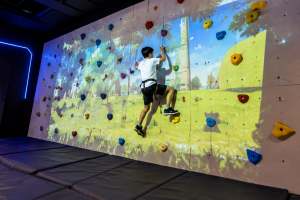
Climbing simulations merge physical activity with digital interaction, making them ideal for venues prioritizing active participation zones. Proper installation requires sufficient wall clearance and robust safety measures.
Key Tips: These games are perfect for large venues that want to convert wall space into premium revenue-generating attractions.
Interactive Projection Games
Projection-based gameplay provides flexibility for smaller entertainment spaces. These installations often adapt to varied player needs while taking advantage of open areas like empty walls or floors.
Key Tips: Maximize gameplay versatility by adjusting projection dimensions based on foot traffic flow zones.
Motion-Sensing Sports Games
These games accommodate casual players who favor active, easy-to-learn gameplay styles. Their motion-sensing technology supports short sessions for groups, families, or social interaction zones.
Key Tips: Position motion-sensing attractions where customers naturally engage in dynamic movement, such as near centrally located play areas.
Is More Immersive Technology Always Better?
Operators commonly assume that advanced machines generate higher engagement, but this isn’t always true. A visually impressive machine may lack repeat-play appeal or create maintenance headaches.
Evaluate participation rates, repeat-play potential, maintenance requirements, and compatibility with your venue’s goals when choosing immersive digital sports technology.
Key Areas to Assess:
- Player throughput capabilities: Can the machine handle large customer volumes efficiently?
- Ease of understanding: Will casual players easily learn gameplay basics?
- Operating convenience: How challenging is equipment maintenance or software management?
- Space efficiency: Does the machine dominate valuable areas unnecessarily?
Remember: Visual appeal is only one piece of the puzzle. Practical functionality often creates long-term business value.
How Should Digital Sports Equipment Be Combined With Existing Games?
Adding digital sports equipment isn’t simply about filling empty spaces. Instead, aim for complementary placement that integrates with existing arcade games.
For example, competitive sports simulators naturally fit near racing games, shooting arcades, and sports boxing machines. Larger interactive systems may need dedicated activity zones to prevent overcrowding.
Organize your venue into areas focused on different interaction types. This creates smooth entertainment flow across zones, helping customers engage without confusion. For example:
- Competitive Zone: Group simulators and skill-based sports together.
- Casual Zone: Add motion-sensing games and projection setups.
Effective spatial planning ensures digital sports equipment elevates the venue’s experience, rather than fragmenting it.
What Information Should You Give Your Supplier?
Good recommendations from suppliers rely heavily on the information you provide. Prepare clear details to ensure their advice matches your real-world needs.
Share available floor layouts, target customer groups, existing game data, and investment budgets with your supplier before requesting product recommendations.
Supplier Checklist:
- Venue floor plan and ceiling dimensions.
- Total area size and traffic circulation details.
- Target customer demographics or themes.
- Existing games needing integration.
- Preferred game categories or immersive features.
- Budget limits tied to operating goals.
With complete information, suppliers can narrow options for equipment configurations that fit your venue rather than overwhelming you with catalogs.
Frequently Asked Questions
What is digital sports equipment?
Digital sports equipment blends physical activities, motion-sensing systems, and interactive gameplay for entertainment venues. Machines like golf simulators, shooting games, climbing attractions, and projection setups are common examples.
What should I prioritize for smaller venues?
Focus on space-efficient games, such as projection installations or motion-sensing systems, that engage players without requiring bulky cabinets or large physical areas.
How can digital sports attract repeat customers?
Conclusion
Choosing digital sports equipment requires intentional planning and alignment with your arcade’s customer needs, venue size, and entertainment goals. Carefully evaluate machines by their gameplay type, target audience, operational compatibility, and fit within your existing equipment mix.
At ELONG, we specialize in helping entertainment venues choose the right digital sports equipment for their space and customer profiles. Reach out to discuss your project and find solutions that create engaging player experiences.